

Beauty Uncompromised Request a Private Consultation

Medically reviewed by Dr. Karan Chopra, MD, board-certified plastic surgeon
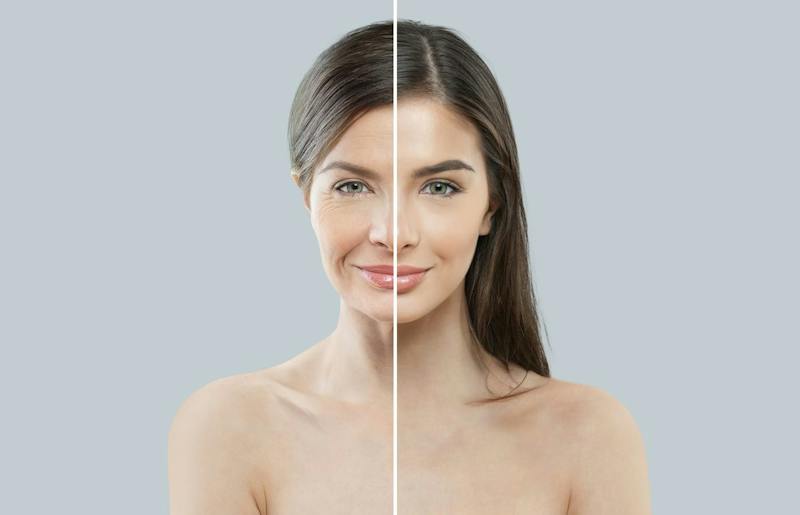
Patients often hand over a photo of themselves at 30 and say, make me this again. The honest answer is that a facelift is one powerful tool, but restoring the youth of one or two decades ago takes a comprehensive plan, not a single procedure. A deep plane face and neck lift addresses the sagging, and pairing it with brow, eyelid, skin, and volume work treats the many smaller changes that happen between 30 and 50. Some things can be given back beautifully, and a few are simply part of who you are now.
Dr. Karan Chopra is a board-certified plastic surgeon in Miami who trained at Johns Hopkins and built his practice around facial and neck surgery. You can read more on his bio page. This article explains what a deep plane facelift can genuinely restore, why comprehensive rejuvenation looks the most natural, what technology makes possible in 2026 and beyond, and how to set honest expectations.
Comprehensive facial rejuvenation is a coordinated plan that treats the face from the brows to the neck, combining a facelift with skin, eyelid, brow, and volume procedures to restore a more youthful overall appearance.
It is tempting to think aging is just jowls and a loosening neck, but that is only part of the story. Between 30 and 50, there are small changes throughout the entire face. The brows descend. The upper eyelids gain a little skin. The lower eyelids develop puffiness or hollowing. The cheeks lose volume. The skin changes in quality and loses some of its glow. Even the earlobes can elongate over the years.
Because the changes are spread across the whole face, treating only one area leaves the others behind. A perfect jawline above tired eyes and thin, crepey skin does not read as youthful. That is why the most natural rejuvenation addresses the face from top to bottom rather than fixing a single feature and hoping the rest keeps up.
A great deal, in the areas it is built for. A deep plane facelift repositions the deeper structural layer, described by the NIH National Library of Medicine as the connected fascial system of the face, so it restores the jawline, softens the folds, and lifts the midface. Paired with a deep neck lift, it rebuilds the neck and jaw definition that reads as youthful. These structural changes are the foundation of looking years younger.
Where the deep plane shines is that it does this while preserving the natural contours of the face, so the result is dramatic and natural at once rather than tight or flattened. It gives back the framework of a younger face, which is the part that no cream, device, or syringe can restore.
For patients who want to turn the clock back the most, Dr. Chopra plans from the brows down. A comprehensive approach can include:
Treating each area moderately, rather than overdoing one, is what makes the overall result read as a younger version of you rather than an operated-on one.
Because aging is diffuse, the correction has to be diffuse too. When a single feature is aggressively corrected in isolation, it stands out against everything that was left untouched. When several features are each improved a moderate amount, they support one another, and no single change draws the eye. This is the same principle behind treating the face in balanced thirds: the whole reads younger precisely because no one part is shouting for attention.
It also means the plan is sequenced and personalized. Not every patient needs every procedure, and part of the consultation is deciding which of these actually move the needle for your face and which can wait.
There has never been a better time for this kind of work. With the techniques and technology available in 2026 and 2027, from advanced deep plane methods to lasers that are safe across every skin type, surgeons can achieve the most natural and complete rejuvenation that has ever been possible. Tools that were not reliable or safe a decade ago are now routine, which is part of why comprehensive, natural-looking results are more attainable today than at any point before.
Setting expectations matters as much as technique. A facelift does not stop the clock, and no procedure returns you to being 30 in every respect. Skin that has lost elastin over decades will never behave exactly as it did in your twenties, and the aging process continues after surgery. What modern technique can do is deliver a natural, comprehensive rejuvenation that restores youthfulness rather than manufacturing a different face.
The right mindset is not to become your 30-year-old photo exactly, but to look like the best, most rested version of yourself now. Patients who embrace that framing are the happiest, because the result is judged against a realistic, flattering target rather than an impossible one.
Aging continues after surgery, so maintenance protects the investment. Dr. Chopra encourages patients, within the first year, to undergo radiofrequency microneedling sessions across the entire face and neck to build collagen and preserve the tightness of the result for the years that follow. Ongoing skin care and periodic touch-ups keep the surface quality up while the structural result holds. A comprehensive result, maintained, is what lets patients continue to look younger than their age even as they keep aging.
Good candidates are healthy patients bothered by aging across several areas of the face who want a natural, cohesive result rather than a single fix. An in-person evaluation determines which combination of procedures fits your anatomy and goals, and an honest surgeon will tell you both what can be restored and what is best accepted.
Recovery from a comprehensive plan still follows the deep plane's forgiving course: about a week of mild bruising, a second week of swelling, restaurant ready around day 15, and ready for anything by six weeks. The first month matters most for protecting the result. Doing too much too quickly, such as aggressive exercise or excessive neck and facial movement, can stress the delicate sutures that hold the lifted tissue in place, so Dr. Chopra asks patients to take it easy for about a month. One specific tip he gives every patient: use your phone at eye level rather than the chin-down position, because keeping the chin down creates neck laxity while the re-draped skin is still settling. Small habits like these, in the early weeks, help lock in the result you invested in.
The best plan begins with a clear, honest look at what can be restored and what cannot. Dr. Karan Chopra will build a plan around your goals and your anatomy. Schedule your consultation with Dr. Chopra today. Consultations are available in person in Miami and virtually for out-of-town patients.
This article is for general education and is not medical advice. Individual results vary. Please consult a board-certified plastic surgeon about your specific situation.
A facelift can restore a great deal, especially the jawline, folds, and neck, but looking a decade or two younger usually takes a comprehensive plan that also addresses the brows, eyelids, skin, and volume. It restores a youthful version of you rather than recreating an exact photo.
Because aging between 30 and 50 happens across the whole face, not just the jowls. The brows descend, the eyelids change, the cheeks deflate, and the skin quality shifts. Treating only one area leaves the others behind and can look unbalanced.
Yes. The deep plane technique preserves the natural contours of your face, and treating several areas moderately keeps the result cohesive. The goal is a rested, younger version of you, not a different face.
A facelift does not stop aging or fully restore skin that has lost elastin over decades, and the aging process continues afterward. Skin quality and some volume changes are managed rather than reversed, which is why maintenance matters.
Aging continues, so maintenance protects your investment. Dr. Chopra recommends radiofrequency microneedling sessions in the first year and ongoing skin care to preserve the tightness and quality of the result over time.