

Beauty Uncompromised Request a Private Consultation

Medically reviewed by Dr. Karan Chopra, MD, board-certified plastic surgeon
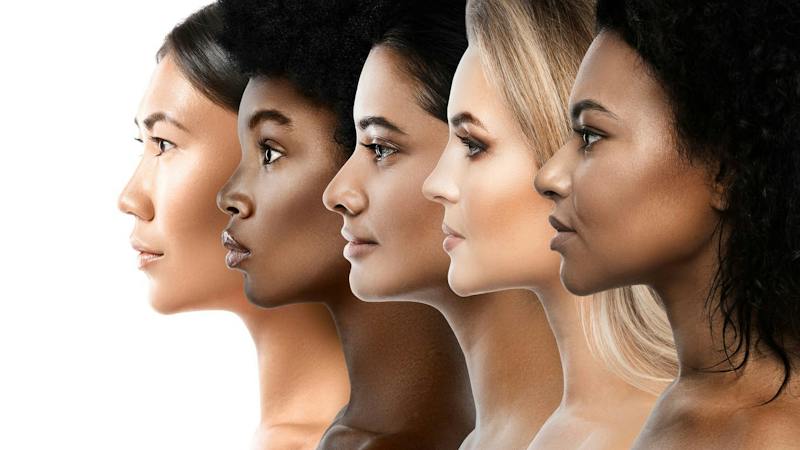
Miami is one of the most diverse cities in America, and a good facial surgeon plans around that diversity. The core deep plane facelift technique is the same across skin tones, because it works in the deep tissue rather than the surface, but skin type does affect healing, scarring risk, and especially which lasers are safe to use. The biggest advance is the UltraClear cold fiber laser, which finally made laser resurfacing safe for darker skin types, something that was not reliably possible for years.
Dr. Karan Chopra is a board-certified plastic surgeon in Miami who trained at Johns Hopkins and built his practice around facial and neck surgery. You can read more on his bio page. This article explains how skin tone factors into a deep plane facelift, what changes and what does not, and why newer laser technology matters for patients of every complexion.
A deep plane facelift is a facial rejuvenation surgery performed in the deep tissue layer beneath the skin, which means the lift itself is largely independent of surface skin tone.
The lift itself is remarkably consistent across skin tones, because a deep plane facelift works beneath the skin, in the connected fascial layer the NIH National Library of Medicine describes, rather than by pulling on the surface. The repositioning of the deeper structures is the same regardless of complexion, so the fundamental operation does not change from one skin type to the next.
What a good surgeon does adjust is the surrounding plan: how healing is managed, how incisions are cared for, and which resurfacing tools are appropriate. In a diverse city like Miami, that individualized planning is part of everyday practice rather than an exception, and it is one of the reasons experience with a wide range of patients matters.
Skin type influences a few things around the surgery more than the lift itself:
None of these change whether a patient is a candidate for a deep plane facelift. They shape how the plan around it is managed, and a surgeon who understands them can deliver excellent results across the full range of skin tones.
For many years, cosmetic medicine could not safely offer laser resurfacing to patients with darker skin, because traditional ablative lasers carried a real risk of burns and lasting pigment changes. That limitation left a meaningful group of patients without one of the most effective tools for skin quality, and it forced surgeons to choose between an effective treatment and a safe one.
Dr. Chopra's practice uses the UltraClear laser, a cold fiber laser designed specifically to be safe across all skin types, alongside the CO2 laser for appropriate candidates. UltraClear is a cold ablative fiber laser cleared by the FDA and recognized as the first fractional laser approved for all skin tones, delivering energy through heat-minimizing micro-channels so it resurfaces effectively while sharply reducing the risk of pigment problems in darker skin. Being able to resurface safely regardless of complexion is what Dr. Chopra describes as the difference between good and great results, because skin quality is a major part of a natural, refreshed outcome, and now every patient can benefit from it.
A facelift repositions tissue, but it does not by itself change the surface quality of the skin. That is why resurfacing and skin treatments are part of a comprehensive plan. Combining the structural lift with safe, appropriately chosen laser resurfacing and skin care is what refreshes both the shape and the surface of the face at once.
For patients of color, having a laser that is safe for their skin means they are no longer excluded from that part of the result. A generation ago, a darker-skinned patient might have received a beautiful lift but been told that resurfacing was too risky for their skin. Today, that trade-off is far less common, which is a genuine advance in equity of care.
It begins with an honest assessment of your skin type, scarring history, and goals. Dr. Chopra evaluates how your skin is likely to heal, chooses resurfacing tools and settings suited to your complexion, and builds an aftercare plan around them. The structural lift is planned the same way it would be for any patient, while the skin-quality portion is tailored specifically to you. That combination of a consistent, proven lift and an individualized skin plan is what delivers a natural, refreshed result across the full diversity of Miami's patients.
Patients of every skin tone are candidates for a deep plane facelift, and the right resurfacing and aftercare are matched to their skin during consultation. An in-person evaluation lets Dr. Chopra assess skin type, scarring tendency, and goals, then build a plan that is safe and effective for that individual. The diversity of Miami's patients is exactly why that individualized approach is the standard here rather than an afterthought.
The deep plane recovery is the same regardless of complexion: milder bruising and swelling than other techniques, no head wrap in many cases, rest in your own bed, and typically Tylenol-level pain. The practice's nurses see patients once or twice a week afterward for refinement treatments, including manual lymphatic massage, red light therapy, and hyperbaric oxygen, which support healing for every skin type. For patients with more pigment-prone skin, the aftercare emphasizes sun protection and pigment-safe products, which further reduces the risk of post-inflammatory color changes.
Sometimes, and sometimes in sequence. Depending on skin type and the resurfacing depth planned, laser work may be performed with the facelift or staged shortly after, so healing is safe and the two treatments reinforce each other. Dr. Chopra decides the sequence during your consultation based on your skin and goals, rather than applying a one-size-fits-all protocol.
Delivering great results across the full range of complexions is not automatic, it comes from treating a wide variety of patients and knowing how each skin type behaves. Miami's diversity means Dr. Chopra plans for different healing and pigment responses as a matter of routine rather than as a special case. That experience shows up in small decisions, incision placement, energy settings, and product choices, that add up to a safe, natural result whether a patient has very fair or deeply pigmented skin.
Every complexion deserves a plan built around how it heals and responds. Dr. Karan Chopra will tailor your facelift and skin treatments to your skin type. Schedule your consultation with Dr. Chopra today. Consultations are available in person in Miami and virtually for out-of-town patients.
This article is for general education and is not medical advice. Individual results vary. Please consult a board-certified plastic surgeon about your specific situation.
Yes. The lift works in the deep tissue beneath the skin, so it is largely independent of complexion. What a good surgeon tailors is incision care, scar management, and the choice of resurfacing tools to suit the patient's skin type.
Some skin types are more prone to raised or darker scars, which is why tension-free closure and careful incision care matter. A deep plane facelift avoids skin tension, which helps, and aftercare is tailored to how a given patient's skin tends to heal.
Now, yes. The UltraClear cold fiber laser is designed to be safe across all skin types and is recognized as the first fractional laser approved for all skin tones, which was not reliably possible with older ablative lasers.
The structural result of the lift is consistent across skin tones. What individualized planning affects is healing, scar appearance, and skin-quality treatments, all of which are tailored to your skin during consultation.
The practice uses the UltraClear cold fiber laser, which is safe for all skin types, along with the CO2 laser for appropriate candidates. The right choice depends on your skin type and goals.