


Beauty Uncompromised Request a Private Consultation



Facial nerve weakness is a concern that some patients may experience after a facelift, but it’s very rare for these issues to cause significant movement problems. It’s important to note that while motor or movement issues are uncommon, some numbness in the facial area is completely normal. The good news is that, based on our experience in Miami, all of our patients who experience numbness or temporary nerve weakness fully recover. A lot of this is to be expected and typically occurs within the first 24 hours following surgery due to the numbing medication used during the procedure or due to the heat produced by electrocautery. While facial nerve weakness can be concerning, it’s important to understand that this is usually a temporary condition, and most patients recover without lasting effects. In this blog, we will discuss temporary facial nerve weakness, typical recovery, and effective strategies for recovery.
Dr. Karan Chopra is a board-certified plastic surgeon and the founder of Chopra Plastic Surgery in Miami, Florida. Dr. Chopra specializes in advanced techniques for facial rejuvenation, including the Deep Plane Facelift and Deep Necklift, providing natural-looking results with minimal downtime. His practice is known for offering a unique approach that uses local anesthesia with IV sedation instead of general anesthesia, ensuring a safer, more comfortable experience for patients.
With a commitment to excellence, Dr. Chopra has helped thousands of patients achieve their desired aesthetic outcomes, and his expertise is highly sought after by patients who want both effective results and the peace of mind of being in the hands of a skilled surgeon. His techniques are designed to rejuvenate the face while maintaining natural movement and expression.
Facelift surgery involves lifting and tightening the skin and underlying muscles of the face, which can very rarely affect the facial nerves responsible for facial expressions. The facial nerve, which controls movements like smiling, blinking, and frowning, can sometimes be temporarily weakened during surgery.
While nerve weakness after facelift surgery is rare, it can occur due to trauma, swelling, or compression. The most commonly affected nerves include:
Despite the possibility of temporary weakness, it’s important to note that nerve issues are extremely rare when you choose a skilled, experienced surgeon like Dr. Chopra. The vast majority of facelifts, particularly those performed with advanced techniques such as the Deep Plane Facelift, are amazingly safe. Many patients come to Dr. Chopra for second opinions after experiencing complications or poor results from other surgeons, often citing concerns about nerve weakness or asymmetry.
The recovery process from temporary facial nerve weakness following a facelift generally follows a predictable pattern:
Most patients experience some degree of temporary facial nerve weakness in the immediate 24-36 hours post-surgery. This weakness is typically mild and often includes difficulty moving one side of the face, especially in areas like the smile or eyelids. The cause is usually swelling or irritation from the surgery, and it often resolves with rest and time.
For the majority of patients, facial nerve function improves significantly within 1 to 2 weeks. By this point, most patients can expect to regain near-normal or full movement in the affected areas of their face. Swelling and any minor nerve irritation typically subside, and facial expressions begin to return to normal.
While the vast majority of patients recover within two weeks, a very small percentage may experience weakness that persists for up to three months. These cases may require additional treatments or follow-up to support nerve healing.
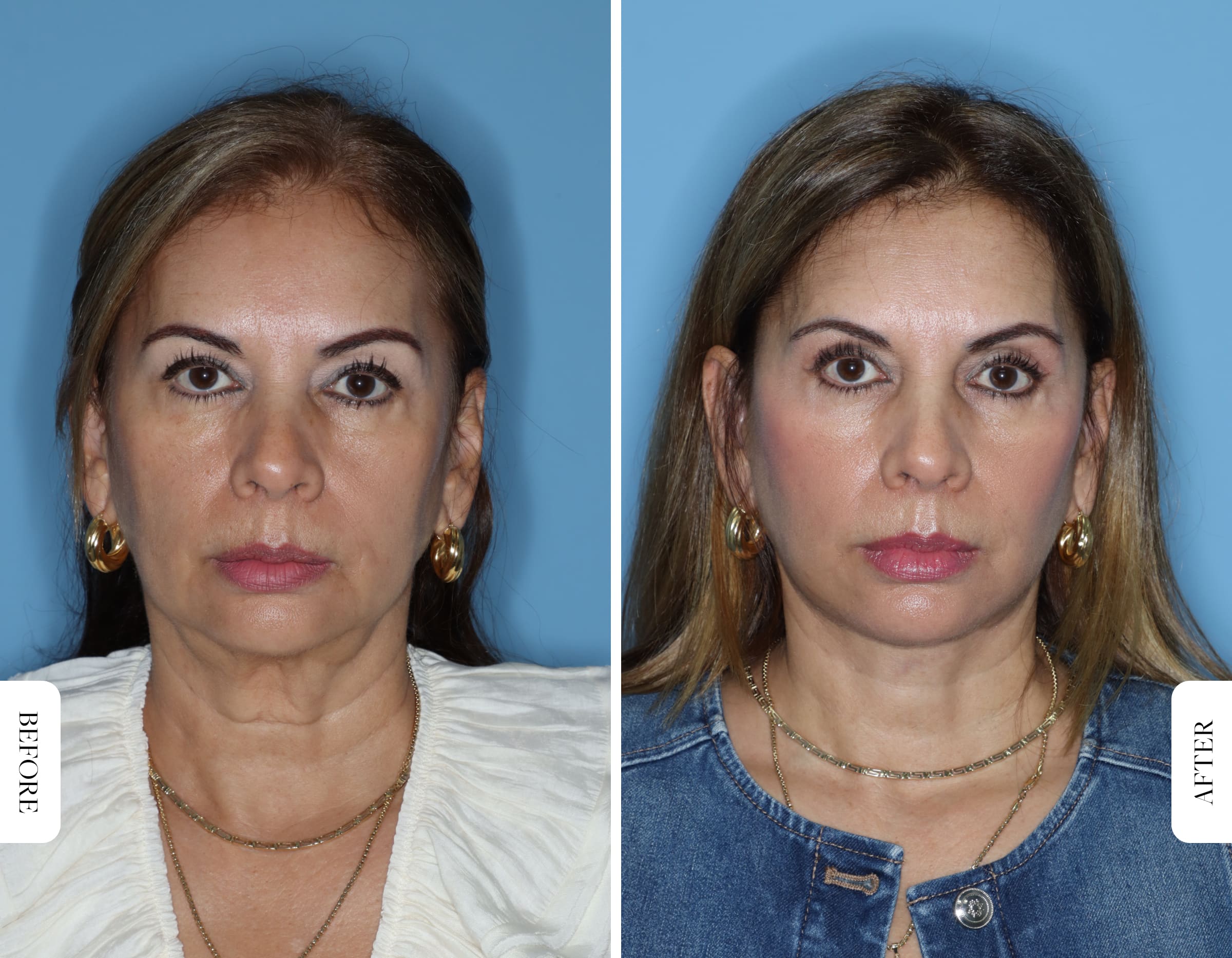
Although most instances of facial nerve weakness are temporary, there are several non-surgical treatments and strategies that surgeons can consider to support recovery and promote nerve healing. Here are some key approaches:
While most cases of facial nerve weakness resolve with time and conservative treatment, there are a few situations where further evaluation may be necessary:
In such cases, additional diagnostic tests, such as electromyography (EMG), may be required to assess the extent of nerve damage.
Temporary facial nerve weakness is a potential side effect of facelift surgery, but it typically resolves within 24-36 hours to 2 weeks, with only a small percentage of patients experiencing symptoms for up to 3 months. By following a recovery plan that includes facial exercises, massage, and possibly other treatments, most patients can fully recover and regain normal facial function. As always, it is essential for patients to follow their surgeon's instructions and attend follow-up appointments to ensure proper healing.
At Chopra Plastic Surgery, we take every precaution to ensure the safety and well-being of our patients. With advanced techniques and a commitment to quality care, facial nerve issues are extremely rare when performed by a skilled surgeon like Dr. Karan Chopra. However, we understand that some patients may have concerns due to previous experiences elsewhere, and we are here to help guide you through every step of the recovery process to achieve the best possible results.