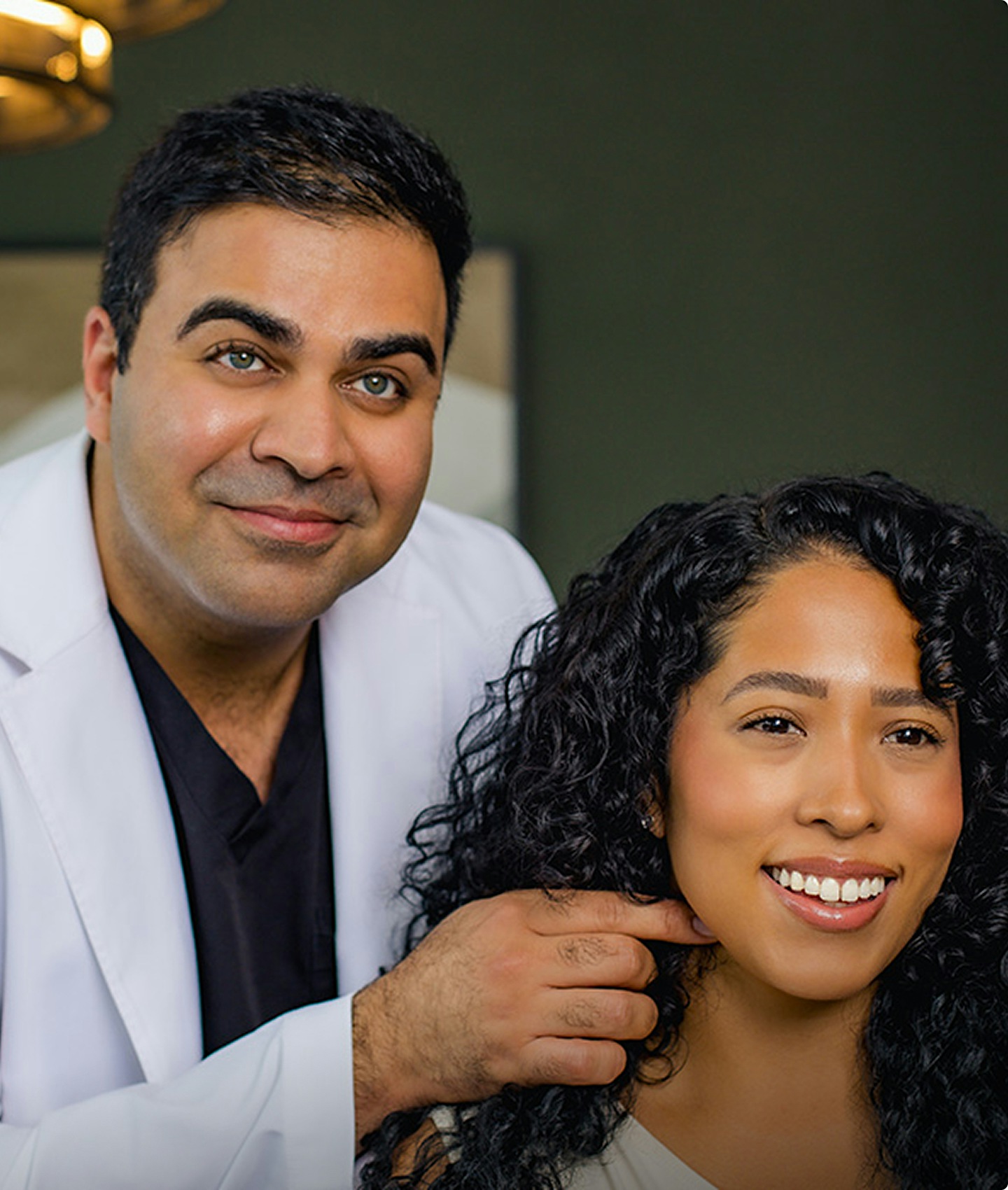


Beauty Uncompromised Request a Private Consultation


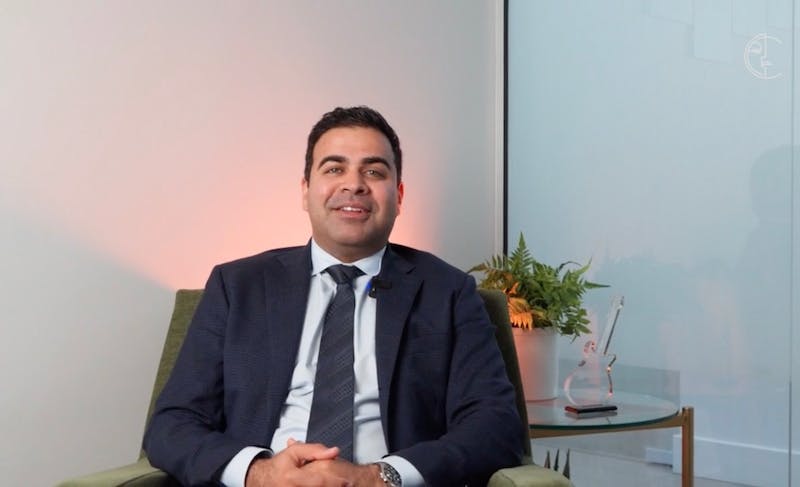
Questions about malpractice insurance are surfacing more often, and the confusion is understandable. Florida's medical liability laws work differently from what most patients expect, and misinformation can make it difficult to know what actually matters when choosing a surgeon. Dr. Karan Chopra, a Johns Hopkins-trained, board-certified plastic surgeon in Miami, believes patients deserve straight answers.
In this blog, we will discuss what Florida law requires, what it doesn't, and what truly determines your safety in the operating room.
Many patients assume that every surgeon in Florida is required to carry traditional malpractice insurance. That assumption is incorrect, and the distinction matters.
Florida Statute 458.320 governs financial responsibility for licensed physicians in the state. Rather than mandating malpractice insurance outright, it gives physicians two legally recognized paths:
Physicians who elect the second option are required to inform patients in writing before treatment begins. That disclosure requirement is a legal protection built into the law — not a red flag.
This is the part that surprises most patients: malpractice insurance status is a financial arrangement. It does not reflect a surgeon's training, technical skill, complication rates, or the safety standards of their operating environment.
A surgeon can carry full malpractice coverage and operate in a non-accredited setting. Conversely, a surgeon can meet Florida's financial responsibility requirements through alternative means and operate at the highest level of safety. The two are simply not the same metric. According to the American Board of Plastic Surgery, what separates safe surgical outcomes from unsafe ones comes down to:
Facility accreditation is one of the most meaningful safety indicators available to patients, and one of the least discussed. The American Association for Accreditation of Ambulatory Surgery Facilities (AAAASF) and similar organizations conduct rigorous, independent reviews of surgical facilities to verify that safety standards, equipment, staffing, and emergency protocols meet or exceed regulatory requirements.
When evaluating any surgeon, these are the questions worth asking:
These questions, not insurance status alone, paint a complete picture of surgical safety.
Patient concern around this topic is legitimate. The problem isn't the question; it's that most available information conflates financial responsibility with clinical safety. The Florida Agency for Health Care Administration (AHCA) oversees physician licensing and facility regulation in the state, and its standards are designed precisely to protect patients regardless of how a physician meets the financial responsibility requirement.
The clearest takeaway: Florida law was written to ensure accountability, not to use insurance as a proxy for quality. Two surgeons can both be in full compliance with Florida law while operating in vastly different environments. Knowing the difference is what empowers patients to make informed decisions.
Dr. Karan Chopra trained at Johns Hopkins Hospital, ranked by U.S. News & World Report as the top hospital in the country for 21 consecutive years, and completed a dual aesthetic and oculoplastic fellowship with Dr. Mark Codner, a recognized world leader in plastic surgery. Certified by the American Board of Plastic Surgery and named a Top 10 Plastic Surgeon in Florida by the National Academy of Plastic Surgeons for both 2024 and 2025, Dr. Chopra brings an exceptional standard of training, transparency, and care to every patient consultation in Miami.
Every question is welcome. Every concern deserves a clear, honest answer. If you're considering a facelift, facial procedure, or any cosmetic surgery in Miami and want to understand exactly what you're evaluating when you choose a surgeon, schedule a private consultation with Dr. Chopra today.
Not necessarily. Florida Statute 458.320 allows licensed physicians to either maintain professional liability insurance or demonstrate financial responsibility through an approved alternative, such as a bond or escrow account. Physicians using the alternative method are required by law to disclose this to patients in writing before treatment.
No. Malpractice insurance is a financial arrangement, not a measure of a surgeon's skill, training, or the safety standards of their facility. What actually determines surgical safety includes board certification, accredited operating facilities, licensed anesthesia providers, and the surgeon's specialized experience.
Focus on these factors:
Yes. Dr. Karan Chopra is certified by the American Board of Plastic Surgery and trained at Johns Hopkins Hospital. He has been named a Top 10 Plastic Surgeon in Florida by the National Academy of Plastic Surgeons in both 2024 and 2025. To learn more or schedule a consultation, contact Chopra Plastic Surgery in Miami today.